
Welcome to EuroPace
Here at Euro Pace our mission is to guide and help online students to deal with the pressures of learning from anywhere in the world.
We cover a wide range of topics from time management skills and dealing with exam stress to effective revision techniques.


Stay Hydrated and Boost Your Grades!
We all know that we should drink more water, but a 2012 study from two London universities shows that staying well-hydrated can actually improve exam scores by up to 10%.
The study looked at 447 psychology students attending the University of East London. Among those students, 71 of them were in their foundation year, 225 were first-year students and 151 were second-year students.
Only 25% of students entered the exam hall with a bottle of water. The students in their second year of study were more likely to bring water with them (31% vs 21% for foundation and first-years).
The researchers found that foundation students who stayed hydrated could see grades improve by up to 10%. First-year students could see an improvement of up to 5% and second-years up to 2%.
Water-drinking students could expect to see an average of 4.8% improvement in their grades.
Need more proof that staying hydrated improves your exam performance?
A study from 2010 helps prove the opposite side of the spectrum. The small study found that dehydration decreased exam performance. During the study, 10 students with the average age of 17 completed an intense cycle ride to simulate dehydration before taking an exam.
Participants were mildly dehydrated when going in for the exam, and took the Tower of London test. Those who were dehydrated had to exert more effort to achieve the same results as those who were well hydrated.
An article, originally published in Nutrients in 2011, took a look at four small studies that demonstrated the importance of staying hydrated. The studies found that children between the ages of 7 and 9 had longer attention spans and better memory function when they were properly hydrated.
Other studies have shown that dehydration can affect cognitive function, increase anxiety, and lead to fatigue or depression. In fact, there is evidence that sipping water during an exam can ease anxiety. Along with helping improve cognitive function, drinking water can break the chain of negative thoughts and help ease anxiety.
In adults, research has shown that restricting fluids – to the point of losing 1% of body weight – can decrease alertness and concentration.
Research and studies have helped prove the beneficial effects of staying hydrated when taking exams. But drinking water in general is important for the human body. After all, we are made up of 75% water. There’s no greater reason to start drinking more water each day.
About the Author: After spending a number of years in the plumbing industry, Mark Fear decided to create Softer H2O in an attempt to help improve drinking water quality across America. If you wish to find out more about water quality then check out SofterH2O.com.
Top 3 Time Management Techniques for Students
Time management is one of the most important life skills students can learn. Using your time appropriately will help ensure that you spend enough time on study and other important life tasks. Good time management skills will also benefit you outside of the classroom and in the job world.
To help you make the most of your time, here are the three top time management techniques students should master.
1. Prioritize and Plan
It sounds simple enough, but planning and prioritizing are two things students rarely do. First of all, get familiar with the module and the assignments. Know when assignments are due, and which ones are of the most importance.
Next, prioritize your assignments. You may want to use a calendar to schedule in and complete tasks according to urgency. Also consider tackling tasks that require more concentration early on or when your mind is at its sharpest.
While it’s important to have a plan and to prioritize, make sure that you’re also flexible with your schedule. If you’re finding that your plan is not working, make adjustments until you find a schedule that works for you.

2. Create Study Goals
Effective time management also requires you to set goals. In this case, you want to set long-term study goals and break these down into short-term goals that you can work on and add to your schedule as you move along.
Consider the best ways to use your study time and which tasks are most important to complete this week.
The idea is to break your long-term goals and assignments into chunks that you can schedule into your week. Breaking larger assignments and tasks into smaller, more manageable ones can help you get the entire project complete well before the cut-off date – or ensure you’re fully prepared for your next big exam.
3. Create a Plan to Deal with Distractions
Distractions are inevitable. You can schedule and plan every second of your day if you wish, but life will surprise you and unexpected events will get in the way. Small distractions will try to steer you off course as well.
Create a plan to help you manage these distractions. Make a set of rules, such as turning off your mobile or asking friends to give you some time alone. Avoid taking on too many things – it’s perfectly fine to say “no” sometimes.
Also, make sure that you set realistic goals for your study time to minimize distractions. It’s difficult to commit to studying for two or three hours at a time – distractions are sure to get in the way – but it’s not impractical to study for 40 minutes at a time before moving onto a new task.

The Art of Giving Presentations
Presentations are tedious – every small detail matters. The art of giving presentations may be different, depending on the class. A person studying business may be able to offer a PowerPoint presentation to show the world’s market fluctuations over the last 30 years, while a person studying Spanish may need to talk in front of the class for an hour – or on Skype.
Approaching every presentation is the same, although the amount of detail needed will vary from course to course and assignment to assignment.
When trying to master your presentation skills, there is a lot that you can do to perfect every presentation and get over the jitters you may have.
Understand the Presentation Requirements
 The presentation will have requirements, and if you don’t know the requirements, you’ll be wasting time and may miss the scope of the assignment. Before you start your presentation, do the following:
- Read the assignment in its entirety
- Mark down how long the presentation should be
- Make note of who the audience will be
Your audience will dictate how you write your presentation script, and it will play a role in how you formulate your entire presentation.
Prepare Your Script
If you don’t like writing, think of a script as a way to elaborate your sentences when talking to a friend. When you write, it’s essential to leave your emotions out of it, and write with confidence – no one is watching you just yet.
When writing your presentation, you’ll want to incorporate the following:
- Pauses that will be taken for emphasis
- Words that you find difficult to pronounce
- Words that should have more emphasis when spoken
- Highlight key points
You may not be able to confidently speak in front of a large group of people, but if you make these small tweaks during the preparation phase, you’ll be able to gain confidence before giving your presentation.
Practice Your Script
People laugh when they hear about people talking to themselves in the mirror, practicing what they’ll say in a presentation. But these are the people that have the best presentation skills.
Think of this as preparing for an acting gig. When you’re in front of the mirror, pay attention to:
- Facial expressions
- Emotional expressions
And continue to practice your speech – recording it and listening to it multiple times.
Listen to the speech and make changes as necessary until you’re happy with the way you gave the presentation to yourself before going to give your presentation to others. Practice makes perfect.
Thank you Euro Pace for all your help in the build up to my pnuematic engineering exams. I am delighted that I managed to achieve a 2:1

5 Easy Ways to Manage Exam Stress
Exams are stressful. You’re under pressure to do your best, you have a thousand and one things on your to-do list, and you’re running out of time to prepare. From revising to the actual taking of the exam, the entire process can take a toll on your mental and physical health if you don’t take steps to manage the stress.
Here are five easy ways to manage the stress of assignments and exams.
1. Exercise
Staying active is one of the best ways to reduce stress. Each time you exercise, your body produces endorphins – those feel-good hormones. Walking just 30 minutes a day can significantly reduce your stress levels, but intensive workouts are even more effective.
“If I know I have a long day of revision ahead and feel myself losing motivation. I find that a quick 20-minute workout on my Stamina Body Trac Glider soon brings me back to life.”
If you can’t find the motivation to exercise on your own, consider joining a sports club where you can meet new people and further reduce your stress.
2. Meditation and Relaxation
Sitting quietly for just 10 minutes a day can also work wonders to reduce your stress levels. Find a quiet place free of distractions and focus on your breathing for 10 minutes – or longer if you have the time.
If you’re having trouble keeping your mind quiet, consider guided meditation or even movement meditation.
Just taking a moment to breathe – whether it’s just five minutes or thirty – gives your body time to rejuvenate and your stress levels to fall.
3. Take Breaks
 Breaks are important – both short and long. If you’re feeling overwhelmed, stop what you’re doing and take five minutes to switch off.
Be sure to schedule in longer breaks, too. Take the weekend off, and make time for fun things you enjoy. If your schedule only allows for work and no play, you’ll burn out quickly. Taking time off allows you to return to your studies feeling refreshed and rejuvenated.
4. Disconnect
Your day is jam-packed with assignments, exams and other life responsibilities. On top of everything else, you probably spend a good portion of your day texting, checking email and scrolling through social media sites – adding more stress to the pile.
You never give yourself (or your mind) a chance to disconnect. When your mind is constantly going, it becomes nearly impossible to relax and unwind. Disconnect for a day or two. The world won’t end, and your loved ones will understand.
5. Do Something You Enjoy
Remember those breaks we talked about earlier? Use them to do something you enjoy. Take a walk, go out with a friend, paint, dance – do whatever makes you happy.
Don’t write off hobbies or social activities as trivial. Life needs to be balanced if you hope to succeed, so make time for the things that bring you joy.

5 Tips for Dealing with Distractions and Procrastination
Distractions and procrastination happen to everyone. A text message, email or phone call can derail a study session just as easily as checking the latest sports scores can when you’re trying to study.
And distractions can be a child crying, having to prepare food or even walk the dog that won’t stop whining.
When trying to manage your time, it’s important to know how to deal with any and all distractions that occur. Five key methods for overcoming distractions when studying are:
1. Set Goals
You want to set goals for each study session. Realistic goals should be set that can be accomplished, and don’t include reading 20 chapters in one sitting. Set goals, such as:
- Read chapter 1
- Revise notes
- Make coffee
If you know you’ll have to do something, plan it into your schedule and goals to make it more fluid.
2. Minimize Interruptions
Life happens, and the best you can do is try to minimize interruptions. This can be done in a variety of ways:
- Study when the kids are asleep
- Put your phone on vibrate
- Shut off your email
- Disconnect
If you just have one hour of no interruptions, you’ll be shocked by how much you’ll be able to achieve.
3. Keep the Workload Realistic
If you need to pass a course, the last thing you want to do is take on a workload that is unrealistic. This means keeping classes to a minimum and not taking on too many personal responsibilities, too.
If someone asks you to babysit and you know you won’t be able to study as a result, politely decline.
Workloads that are too daunting lead to procrastination, which ultimately reduce productivity, waste time and result in poor quality.
4. Try to Avoid Perfection
It’s easy to let perfection get in the way of your ultimate goal. People that have a tendency to redo a project 20 times will find that they’re not making the best use of their time. You’re not painting the Sistine chapel, so put in the effort, but don’t let your perfectionist personality add stress and wasted hours to your life.
5. Make Short-term Deadlines with Rewards
Short-term deadlines allow you to take a micromanagement approach to your learning. With short-term deadlines, you’ll be able to quickly tackle any course and assignment with satisfaction of reaching your goals along the way.
Another trick is to reward yourself, too.
Life isn’t all about your assignments, so after a big midterm, treat yourself to a night out with friends at the pub. Sometimes, you need a few hours to unwind and enjoy life, too.

Preparing Assignments: Tips for Learning Online
You’ve decided to better yourself and remain a student. The Internet provides endless ways to learn online – on your own time. But it can become daunting when trying to prepare for assignments and do better than merely passing a class with the lowest grade possible. A...

3 Critical Reading Techniques to Boost Your Learning
Reading is an essential part of learning, and if you’re critical reading techniques are not refined, you’ll find that learning is harder than necessary. You need to learn to read efficiently, and if you’re not actively engaged in the material that you’re reading,...
The 3 Most Effective Revision Techniques to Help You Pass the Exam
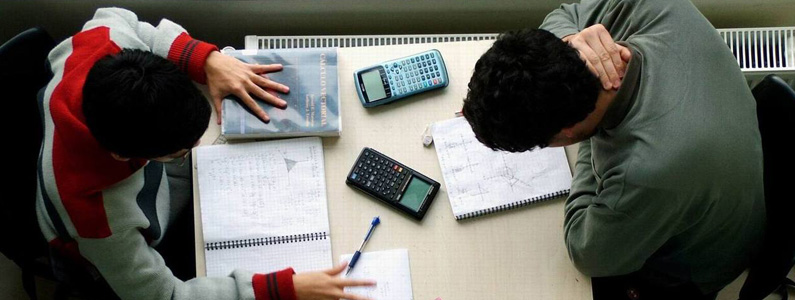
You’re days away from an important exam. How do you make sure you’re using revising the material properly? While there are several revision techniques out there, some are more effective than others. These three tried-and-true methods will help ensure you know the...

How to Take Notes: 5 Ways to Improve Your Note Taking Skills Today
Taking notes seems easy. Sure, you may have mastered the art of critical reading, but when it comes to learning, notes can make or break your semester. The key ingredient that differentiates a critical thinker from a person that aces the class is their note taking...

3 Tips to Revise Effectively
Preparation is the key to success when taking any exam, but some revision techniques are more effective than others. While you may use specific techniques for each subject area, there are some approaches that work for all topics. These three tips will help you revise...